RPG NPC Dialogue Translator
Transform modern text into the atmospheric, slightly formal, and quest-laden dialogue of a classic Non player Game character. From stoic town guards to weary tavern keepers, this translator imbues your words with the 'Greetings, traveler' vibe found in fantasy worlds, complete with cryptic rumors and requests for assistance.
Enter some text and click Translate to see the result
Npc-speak Translator API Available
Integrate this translator into your app or workflow. Starting at $4.99/month
What Is NPC Speak?
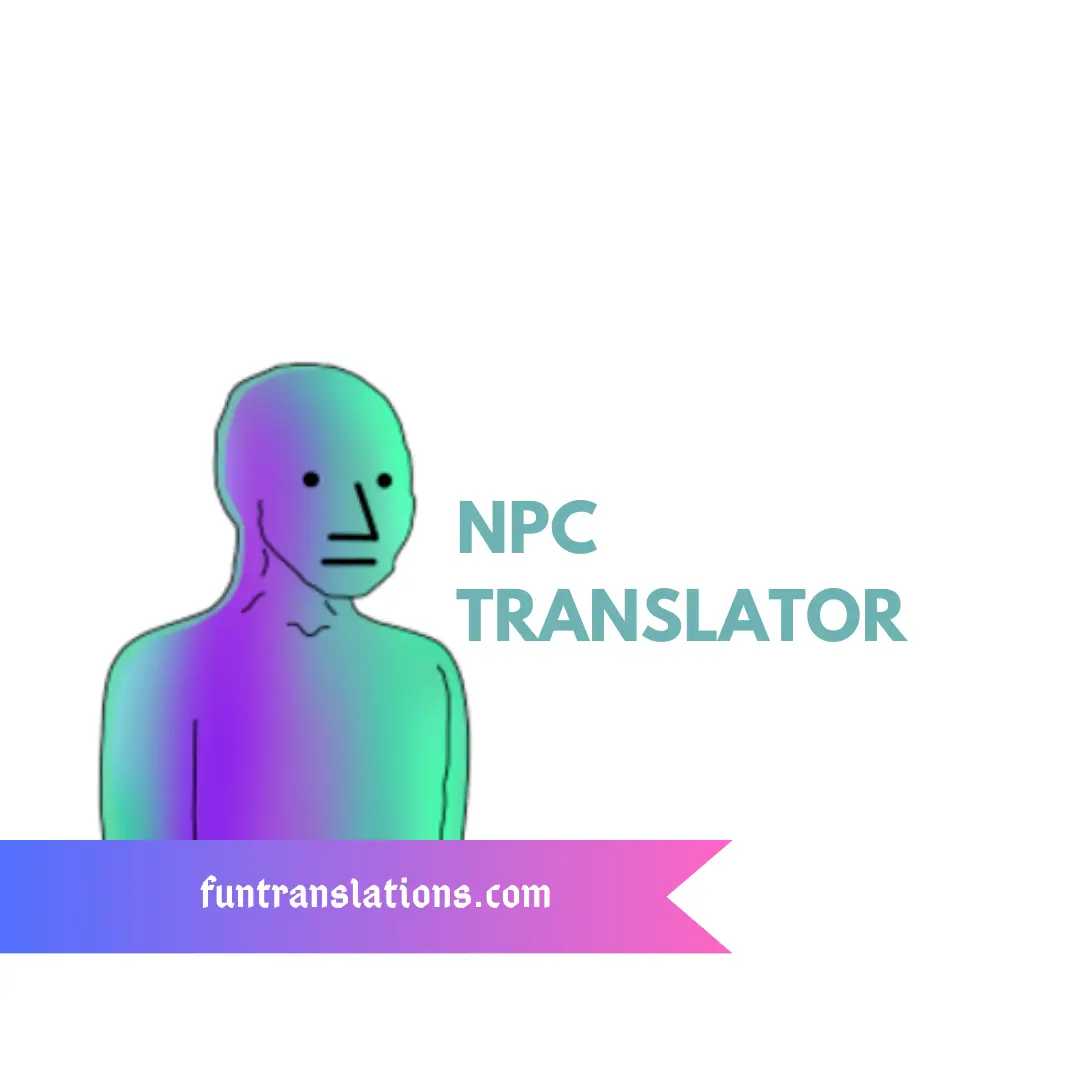
NPC speak is the stilted, repetitive, oddly formal dialogue style associated with Non-Player Characters (NPCs) in video games — the scripted inhabitants of game worlds who repeat the same phrases endlessly, deliver exposition without natural conversational rhythm, and exist primarily to direct the player toward objectives. "Ah, a hero approaches!" "The village elder awaits you." "I used to be an adventurer like you, then I took an arrow to the knee." These are the linguistic signatures of NPC speech: helpful, slightly wooden, and delivered with the same energy whether it's the first time or the thousandth.
NPC speech has become a significant internet meme — both as a reference to gaming culture and as a broader metaphor for unoriginal, scripted, or overly repetitive behaviour. The "NPC" label has migrated from gaming to internet slang, where it describes people perceived as thinking and speaking without genuine individuality. The gaming origin remains the primary and most affectionate use: that cheerful guard who's been saying "halt, who goes there?" to every player character for thirty years.
The History of NPC Dialogue
Early video game NPCs had very little dialogue — text adventure NPCs responded to simple commands, early RPG NPCs delivered single-line quest triggers. As game narratives became more ambitious in the 1990s and 2000s, NPCs were given more dialogue, but the technical and budgetary constraints of game development meant that most NPC lines were short, repeated, and functional rather than naturalistic.
The result was a distinctive genre of language — NPC speak — with its own conventions: the hero-acknowledgment opener ("Ah, a stranger!"), the exposition delivery ("The dark lord has risen from his slumber in the north"), the quest-giver format ("I need your help, hero"), and the generic ambient dialogue that loops endlessly ("Lovely weather we've been having," "Have you heard about the new blacksmith in town?"). Skyrim's Helgen guard became immortal with "I used to be an adventurer like you, then I took an arrow to the knee" — a line so frequently repeated that it became a defining meme of its era.
Classic NPC Speech Patterns
Recurring NPC dialogue patterns across gaming history:
| NPC Type | Example Dialogue |
|---|---|
| Quest giver | "A great evil threatens our land. You are our only hope." |
| Town guard | "Move along, citizen. Nothing to see here." |
| Village elder | "Ah, a hero approaches. I have been expecting you." |
| Shopkeeper | "Welcome, traveller. I have many fine wares for sale." |
| Ambient NPC | "Have you heard the latest news from the capital?" |
| Tutorial NPC | "Press [button] to interact with objects." |
| Skyrim guard | "I used to be an adventurer like you, then I took an arrow to the knee." |
NPC Speech as Gaming Culture
NPC dialogue has evolved significantly with modern game development. Titles like The Witcher 3, Red Dead Redemption 2, and Disco Elysium have demonstrated that NPC speech can be genuinely naturalistic, character-rich, and narratively sophisticated. These games have raised player expectations for what NPC dialogue can achieve, though the classic NPC speech patterns persist in countless games where resources and design priorities don't support full dialogue development.
The affection gamers have for NPC speech — even its stilted, repetitive qualities — is real. The Skyrim arrow-to-the-knee guard is beloved precisely because his complaint is both relatable and absurd. The meme is not purely dismissive; it's recognition of a shared gaming experience, of hours spent in worlds where these wooden utterances were the texture of a universe that nonetheless felt real enough to inhabit.
How This NPC Speak Translator Works
This NPC speak translator converts your standard English text into the stilted, exposition-heavy, quest-giver dialogue style of classic video game NPCs — adding hero-acknowledgment, ancient-evil references, and the formal tone of someone who has been saying the same thing to every protagonist for thirty years.
Perfect for gamers, RPG enthusiasts, speedrunners, or anyone who wants to say something with the earnest helpfulness of an NPC who genuinely believes that this time, the hero will save the kingdom. Ah, a visitor approaches. I have been expecting you.